





EUDI Wallet: Europe is Building a New Digital Identity Infrastructure
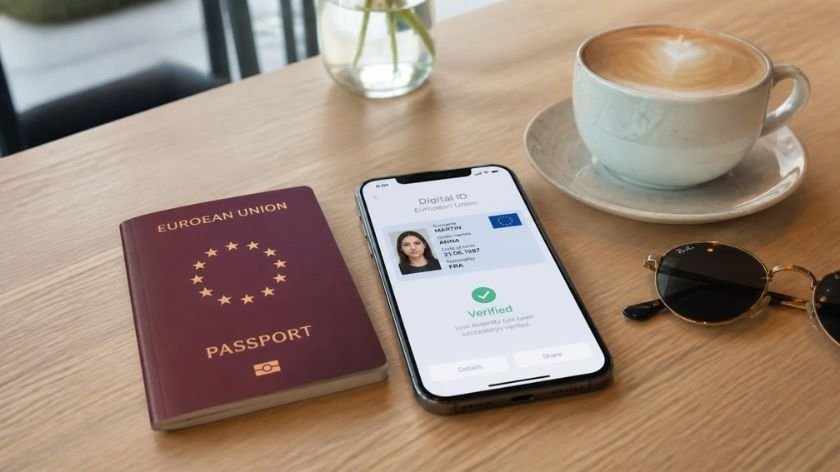
eIDAS 2.0 requires all EU member states to offer at least one certified European Digital Identity (EUDI) Wallet by the end of 2026 at the latest. The wallet gives approximately 450 million Europeans more control over digital identity data and credentials, with privacy and data minimization as the starting point. From 2027, banks, telecommunications companies, healthcare organizations, carriers, and large online platforms, among others, must begin supporting the EUDI Wallet.
The infrastructure utilizes strong cryptography, hardware-bound keys, and standards such as SD-JWT, ISO 18013-5, OpenID4VCI, and OpenID4VP. Through selective disclosure, users can share only necessary data, for example, “over 18” without revealing their date of birth. A European PKI and Trusted List structure must ensure that wallets, issuers, and relying parties can trust each other across borders.
For companies, this signifies a shift from scans and OCR checks of identity documents to direct, cryptographically verifiable data. New business models are emerging around Electronic Attestations of Attributes (EAA/QEAA), verification services, and trust infrastructure. European pilots involving KYC, payments, travel, education, and e-prescriptions demonstrate that the wallet will be much broader than just a digital ID. Consequently, the EUDI Wallet is developing into a fundamental trust layer for digital transactions within the European single market.
Read the DigitalGov article for more information.