







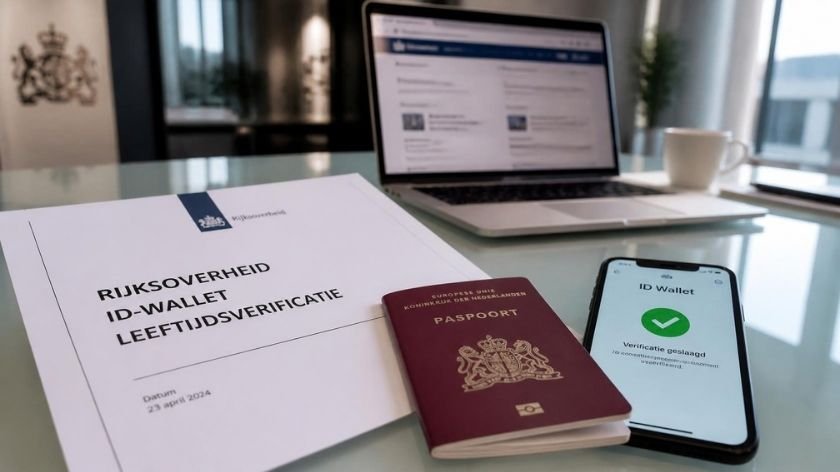
The Dutch cabinet views the upcoming European digital identity wallet (ID wallet) as the most promising and secure solution for online age verification. With the increasing societal call to better protect minors on social media and during the online purchase of age-restricted products, the need for reliable checks is more urgent than ever. The fundamental […]
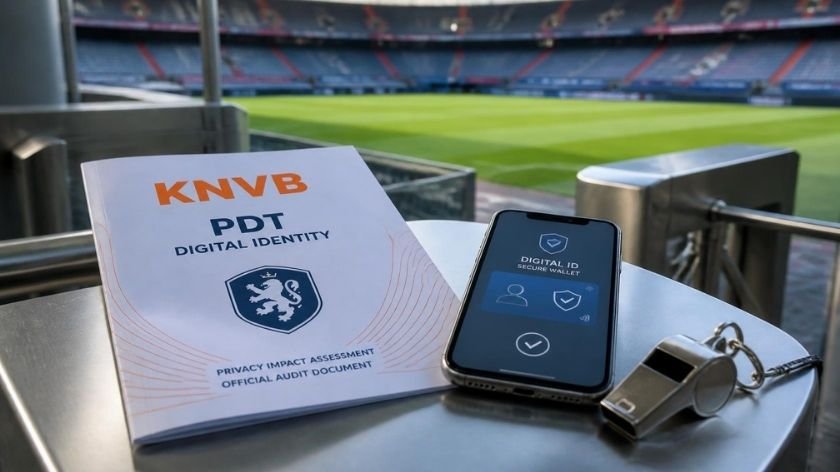
From the 2028/2029 season, the KNVB intends to make ‘Personal Digital Access’ (PDT) mandatory to more effectively combat ticket abuse in football stadiums. To achieve this, supporters must complete a mandatory one-time digital identification by scanning their identity document via an app. However, recent research raises significant privacy concerns, as an excessive amount of sensitive […]
On September 10, the House of Representatives will discuss the future of the European Business Wallet (EBW) and eIDAS with both public and private parties. The message is clear: ensure speed, interoperability, and a strong public-private ecosystem in which the government and the market collaborate. Digital wallets make data minimization and purpose limitation practical: only […]

DIDAS warns that age verification alone cannot solve harmful content, addictive design, profiling or commercial exploitation of children online. Where verification is necessary, it should reveal only what is required, such as a simple “over/under age threshold”, without exposing identity, birth date or biometrics. DIDAS proposes six principles: privacy by design/default, unlinkability, data minimisation, open-source […]

Phocuswright sees that the EU Digital Identity Wallet is gaining ground, but adoption differs strongly between France, Germany, and the UK. Awareness is growing, France leads with 25%, while Germany shows the largest increase from 13% to 21%. Trust is decisive: 54% of Germans trust the Personalausweis, while trust in digital identity systems is clearly […]
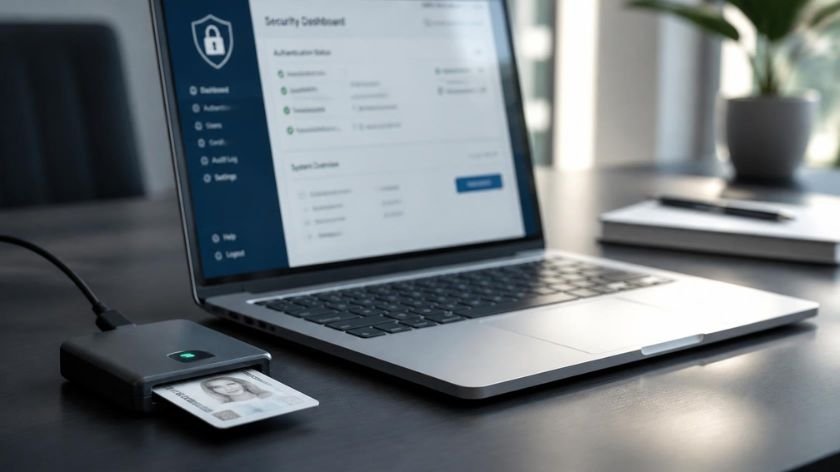
Security researchers uncovered severe vulnerabilities in Belgium’s Connective eID signing software, used by more than 2 million citizens. The technology is deployed by 8 of Belgium’s 10 largest banks, more than 60 government agencies and over 1,000 enterprises. A fundamental weakness was that the software failed to properly verify which website was communicating with the […]

With eIDAS 2.0, customers can prove their identity using reliable digital credentials without repeatedly uploading identity documents.ID Control helps organizations transition to wallet-based verification: collecting fewer personal data points, faster onboarding, and enhanced privacy and security, including consultancy and training.
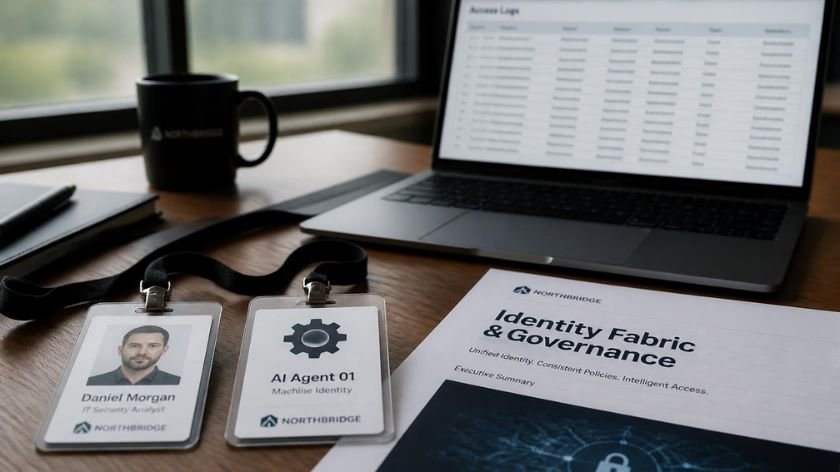
AI agents challenge traditional IAM by acting at machine speed and scale, with unpredictable access patterns that human-centric security models weren’t designed for. Prompt injection, credential exposure and multi-agent delegation create attack paths that conventional authentication and authorization controls struggle to govern. Existing behavioral monitoring can be effectively blind to autonomous agents, while ownership, accountability, […]

Gartner sees Verifiable Credentials (VCs) and decentralized identity as transformational technologies poised to reshape digital identity across industries. VCs enable standardized, secure and compliant data exchange between multiple parties at lower cost and higher speed. Instead of repeatedly proving identity, users can receive verified credentials once and reuse them cryptographically across services and transactions. Decentralized […]
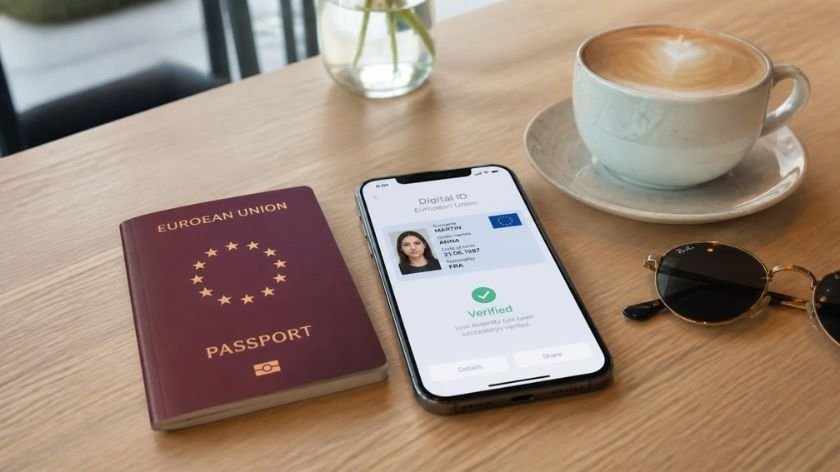
eIDAS 2.0 requires all EU member states to offer at least one certified European Digital Identity (EUDI) Wallet by the end of 2026 at the latest. The wallet gives approximately 450 million Europeans more control over digital identity data and credentials, with privacy and data minimization as the starting point. From 2027, banks, telecommunications companies, […]