






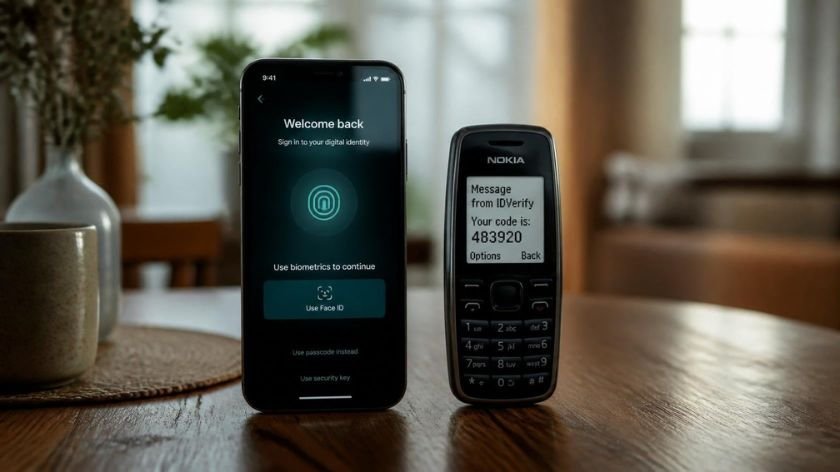
In 2024, 14.4 million Dutch citizens used DigiD over 550 million times. The most frequently used login method is the DigiD app with a one-time ID check (38%), followed by password + SMS code (30%). Those aged 65 and over particularly prefer SMS authentication; among those over 80, as many as 56% use this method. […]

AI has evolved from a technology initiative into a board-level strategic and enterprise risk that demands continuous oversight, not periodic reviews. Boards must establish clear governance, accountability, and AI risk appetite while ensuring innovation is balanced with responsible use. Traditional cybersecurity alone is no longer sufficient, organizations must protect AI-driven decision-making, data, identities, and autonomous […]

The AIVD and MIVD warn that Russian state hackers are exploiting vulnerable IP cameras for espionage, including a small number in the Netherlands. The primary recommendations are: disable UPnP, avoid port forwarding, use a VPN, and restrict internet access to the camera. Replace default passwords, install firmware updates, and disable unnecessary protocols such as Telnet […]

Lidl is warning webshop customers about phishing after attackers obtained personal data via an external IT service provider. Leaked data includes names, email addresses, phone numbers, dates of birth, and customer numbers of customers from the Netherlands, Belgium, and Germany. The exact cause and scope of the incident have not yet been disclosed. With this […]

The European Commission is launching an action plan to ensure that AI strengthens European cyber resilience rather than posing a security risk. The focus is on the secure deployment of AI, the protection of critical sectors against AI attacks, and the development of European digital sovereignty. To achieve this, an independent evaluation capacity for advanced […]

The FBI was able to identify an alleged member of the Scattered Spider hacking group thanks to Microsoft’s Global Device Identifier (GDID), a unique Windows identifier linked to an installation. Despite the use of VPNs, proxies, and rotating IP addresses, the GDID remained visible, allowing investigators to link digital footprints to the same Windows installation. […]

Researcher Mick Beer states that the SIIP app for Personal Digital Access (PDT) transmits more passport data during registration than users are shown, including the BSN (Citizen Service Number), the chip photo, and document details. According to the research, this data is sent to a SIIP server on AWS in Ireland before a ticket is […]

A new US Supreme Court ruling questions the independence of the FTC, undermining a key legal pillar of the EU-US Data Privacy Framework (DPF) according to privacy group noyb. Max Schrems argues that the European Commission relied on the FTC’s independence hundreds of times, meaning the legal basis for unrestricted EU-US personal data transfers has […]

On July 7, the Senate will vote on the Cybersecurity Act (Cbw) and the Critical Entities Resilience Act (Wwke); if approved, both laws are expected to come into effect on August 15, 2026. The Cybersecurity Act (NIS2) expands legal obligations from approximately 1,000 to 8,000 organisations, with requirements for risk management, supply chain security, rapid […]

The European digital ID wallet is intended to increase digital autonomy, but according to Waag Futurelab, the proposed architecture risks reinforcing dependence on platforms such as Apple and Google. Through the use of technologies like the Google Play Integrity API and Apple’s Managed Device Attestation, alternative operating systems and app stores could be excluded. Waag […]