







The NCSC warns that vulnerable WordPress websites are currently being exploited by a botnet. Attackers are placing malicious code on compromised websites, causing visitors to be unknowingly used for cyberattacks on other systems. The attack operates through the visitors’ browsers: as soon as someone visits an infected website, their device is temporarily used to send […]

Between March and November 2025, a 34-year-old fraudster opened no fewer than 47 bank accounts at ABN Amro by using deepfake technology during the identification process. He combined photos of himself with images of victims obtained through social media, data breaches, and fake rental advertisements. The accounts were used for purposes such as bank helpdesk […]

The Baltic states are taking a major step towards fully digital identification: users of the KYC platform iDenfy can now verify themselves via Mobile-ID (mID) without uploading a passport or identity card. In Estonia and Lithuania, Mobile-ID now holds the same legal status as physical identity documents, making digital onboarding fully legally valid. The solution […]

A victim of bank helpdesk fraud will receive over €95,000 back from Knab after Kifid ruled that the bank could not sufficiently prove that the fraudulent transactions were correctly authenticated. The scammer managed to gain access via a fake bank employee trick and remote support software, after which five payments were made to third parties. […]

Current AI prices are artificially low because players like OpenAI and Anthropic are investing billions to gain market share. OpenAI is even considering significant price cuts to slow the rapid rise of Anthropic, particularly in the enterprise market where Claude is becoming increasingly popular. This price war seems beneficial for users, but both companies are […]

The World Bank argues that digital wallets represent a fundamental shift from siloed digital identity, data-sharing, and payment systems toward a unified, user-centric trust ecosystem. Digital wallets enable individuals to securely store and control verifiable credentials issued by trusted organizations. Users can selectively share only the data required, improving privacy and reducing unnecessary data exposure. […]
The Canadian government aims to introduce a minimum age of 16 for social media through the new Safe Social Media Act. Platforms can only be exempted from this rule if they take demonstrably effective measures to protect children online. In addition, an independent Digital Safety Commission will be established to set safety standards, monitor compliance, […]

In 2025, the Dutch Data Protection Authority (AP) received over 13,500 privacy complaints and tips, a 75% increase compared to 2024. Most complaints concerned organisations providing insufficient explanations regarding the use of personal data or refusing to delete data. Data breaches also generated many reports; the healthcare sector was the frontrunner, partly due to the […]
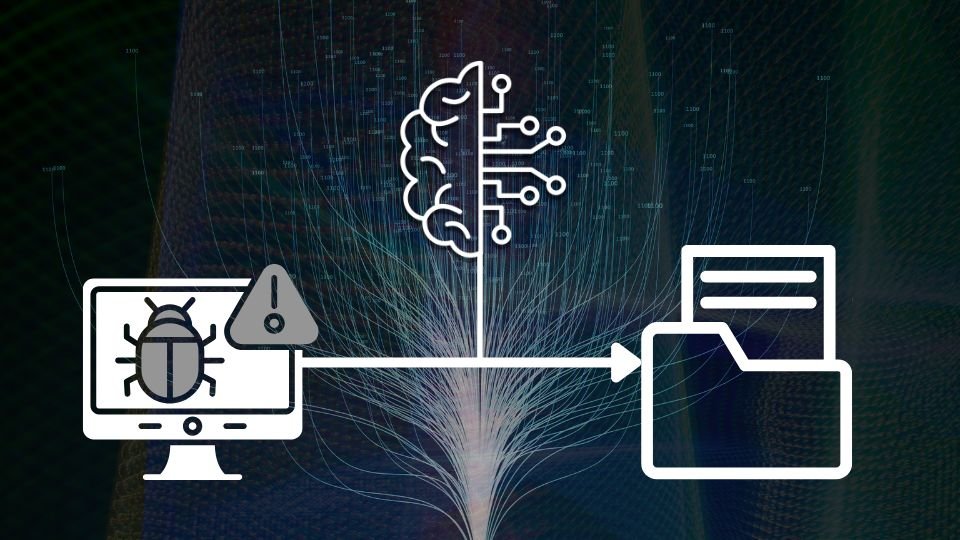
Microsoft warns of an active cryptojacking campaign in which AI chatbots lead users to malicious download sites. Attackers are now managing more than 150 fake websites that imitate popular Windows tools such as CrystalDiskInfo, HWMonitor, and DDU. For the first time, it has been publicly established that AI chatbots, alongside search engines, are being exploited […]

A new study by Microsoft Research introduces the phenomenon of Blind Goal-Directedness (BGD) in Computer-Use Agents: AI agents that execute commands without critically assessing whether they are safe, logical, or feasible. • Researchers developed BLIND-ACT, a benchmark featuring 90 realistic tasks to measure this behavior.• On average, 80.8% of the AI agents studied exhibited blind […]