








The Proofpoint AI-Era Ransomware Report 2026 shows that 65% of affected organisations state that AI makes ransomware attacks more effective through convincing phishing, impersonation, and password theft. Attacks increasingly start via human interaction rather than technical vulnerabilities, while 66% of victims also lost sensitive data. Notably, 58% paid the ransom, but 22% were subsequently extorted […]
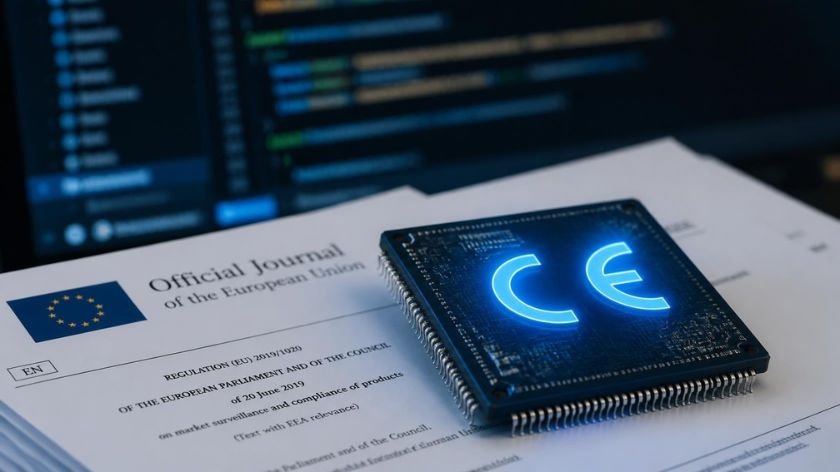
The European Commission has published official guidelines for the application of the Cyber Resilience Act (CRA), helping manufacturers, suppliers, and open-source projects better understand how the law should be applied in practice. The guidance clarifies when software, hardware, and combinations thereof fall under the CRA and when software is considered to be “placed on the […]

The European Union Agency for Cybersecurity (ENISA) has released a practical Cyber Resilience Maturity Assessment Model to help SMEs prepare for the Cyber Resilience Act (CRA) before it becomes fully applicable in December 2027. The model focuses on five key domains: governance, secure-by-design risk management, vulnerability & patch management, product lifecycle management, and cybersecurity skills. […]

Hugging Face disclosed a groundbreaking cyberattack in which an autonomous AI agent independently executed the entire intrusion—from initial compromise to privilege escalation and lateral movement. The attacker exploited vulnerabilities in the dataset-processing pipeline, performing more than 17,000 automated actions over a single weekend without direct human control. Although public models, datasets, and the software supply […]

Research by OCCRP, Investico, and NU reveals that the password manager Passwork, presented as European, was originally developed in Russia. The company reportedly deliberately shielded its Russian origins through structures in Finland, Spain, and the UAE. Cybersecurity experts warn that ties to the Russian state and defence sector pose additional risks, particularly for critical infrastructure. […]

The UK’s communications regulator, Ofcom, is demanding stronger age verification measures from social media platforms ahead of a proposed social media age ban. The regulator has launched an investigation into TikTok, questioning whether its current age assurance methods effectively protect minors. Ofcom is also investigating dozens of adult websites and working with Google and Bing […]
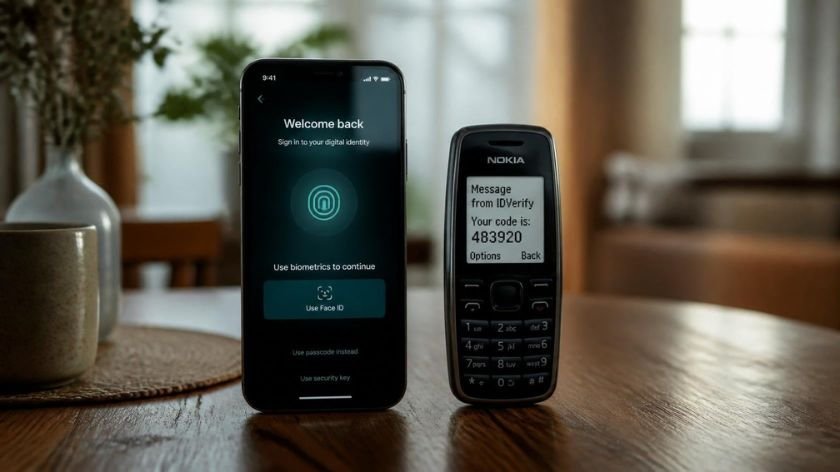
In 2024, 14.4 million Dutch citizens used DigiD over 550 million times. The most frequently used login method is the DigiD app with a one-time ID check (38%), followed by password + SMS code (30%). Those aged 65 and over particularly prefer SMS authentication; among those over 80, as many as 56% use this method. […]

AI has evolved from a technology initiative into a board-level strategic and enterprise risk that demands continuous oversight, not periodic reviews. Boards must establish clear governance, accountability, and AI risk appetite while ensuring innovation is balanced with responsible use. Traditional cybersecurity alone is no longer sufficient, organizations must protect AI-driven decision-making, data, identities, and autonomous […]

The AIVD and MIVD warn that Russian state hackers are exploiting vulnerable IP cameras for espionage, including a small number in the Netherlands. The primary recommendations are: disable UPnP, avoid port forwarding, use a VPN, and restrict internet access to the camera. Replace default passwords, install firmware updates, and disable unnecessary protocols such as Telnet […]

Lidl is warning webshop customers about phishing after attackers obtained personal data via an external IT service provider. Leaked data includes names, email addresses, phone numbers, dates of birth, and customer numbers of customers from the Netherlands, Belgium, and Germany. The exact cause and scope of the incident have not yet been disclosed. With this […]