





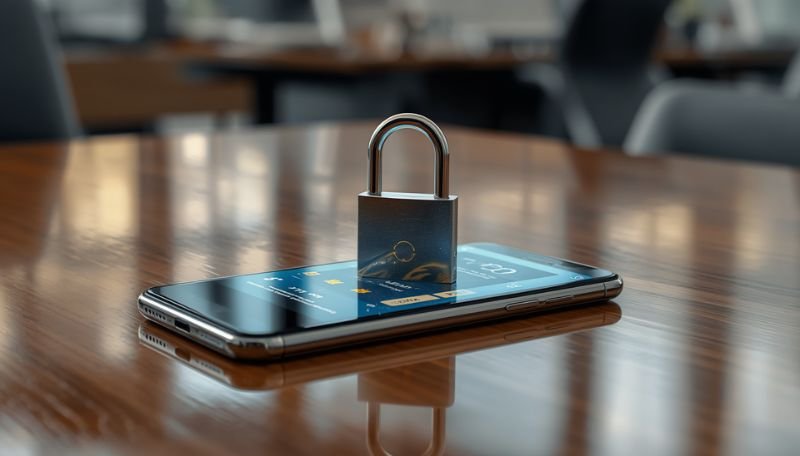
The European digital ID wallet is intended to increase digital autonomy, but according to Waag Futurelab, the proposed architecture risks reinforcing dependence on platforms such as Apple and Google. Through the use of technologies like the Google Play Integrity API and Apple’s Managed Device Attestation, alternative operating systems and app stores could be excluded. Waag […]

The European Business Wallet (EBW) will become the digital identity for companies, allowing them to securely share data and digital attestations with governments and other organisations. The wallet builds on the European Digital Identity Wallet (EUDI Wallet) but is specifically intended for legal entities and enterprises. With the EBW, companies can handle administrative processes, reporting, […]

The US regulator FCC is considering introducing mandatory identification for prepaid phone users. This could mean the end of so-called ‘burner phones’. Telecommunications companies would be required to register names, addresses, and identification numbers before a SIM card can be activated. According to the FCC, this expansion of the Know-Your-Customer (KYC) requirement helps reduce the […]
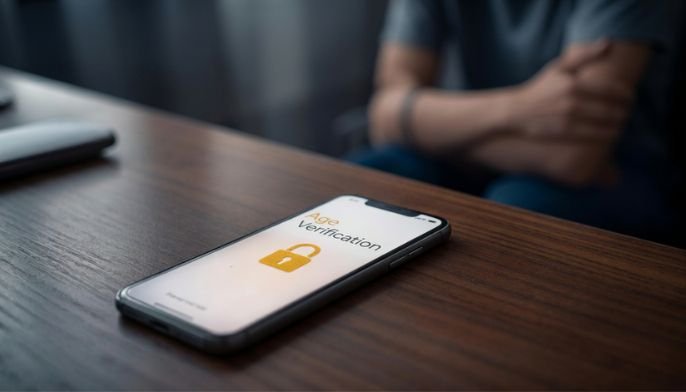
According to researchers at the University of Amsterdam (UvA), it is legally possible to introduce a minimum age of fifteen in the Netherlands for ‘unsafe’ social media without waiting for European legislation. Other European countries, such as France and Spain, are already working on similar national bans. Nevertheless, the researchers recommend a joint European approach. […]

The Baltic states are taking a major step towards fully digital identification: users of the KYC platform iDenfy can now verify themselves via Mobile-ID (mID) without uploading a passport or identity card. In Estonia and Lithuania, Mobile-ID now holds the same legal status as physical identity documents, making digital onboarding fully legally valid. The solution […]

The World Bank argues that digital wallets represent a fundamental shift from siloed digital identity, data-sharing, and payment systems toward a unified, user-centric trust ecosystem. Digital wallets enable individuals to securely store and control verifiable credentials issued by trusted organizations. Users can selectively share only the data required, improving privacy and reducing unnecessary data exposure. […]

Google is expanding Wallet with digital identity documents and age credentials, allowing users to identify themselves online more easily and prove their age. The rollout begins this summer in countries including Estonia, Ireland, Spain, France, and Italy, where passports can be converted into digital ID passes. Through a partnership with Sparkasse, Google is introducing wallet-based […]

The EU Digital Identity Wallet (EUDI Wallet) will allow citizens to create Electronic Signatures legally equivalent to handwritten signatures across the EU. Users can sign contracts directly in their wallet or via certified trust providers, using PIN or biometrics for strong authentication. Such services enable secure online processes like employment contracts, bank onboarding, tax declarations, […]
Europe’s EUDI Wallet can technically replace passwords today with cryptographic, verifiable, privacy-preserving login. Passwords persist only because institutions keep them as legacy fallback options. Public-sector mandates for wallet-based login will spark mass adoption and force IAM vendors to follow. Enterprises and AI-agents will accelerate the shift, as both require verifiable credentials and cannot rely on […]

UK PM Keir Starmer is preparing to unveil a nationwide digital ID scheme at the Labour Party conference. The plan aims to tighten immigration controls and curb illegal migration by linking ID checks to work and housing. Unlike Tony Blair’s failed 2000s ID card push, officials say today’s digital-first society makes adoption more viable. Supporters […]