




Google’s selfie login demonstrates exactly why we need eIDAS 2.0
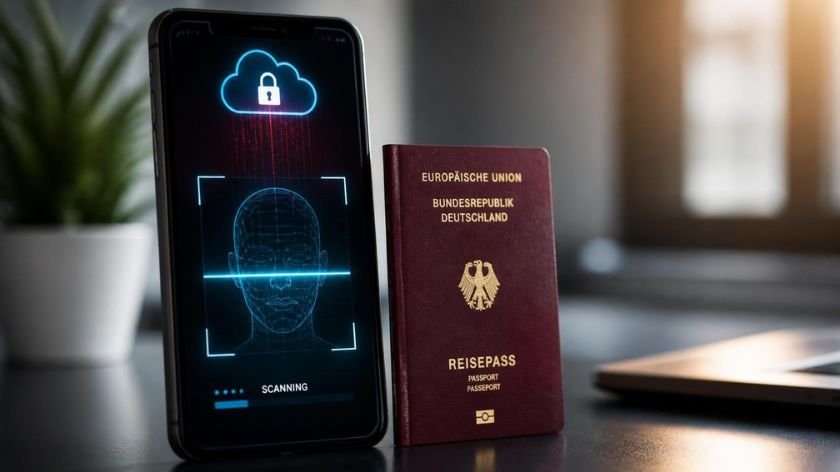
Google now allows users to log in via a selfie video, with the company storing this biometric data centrally. With each new login attempt, a live video is compared against the original stored on Google’s servers.
While Google claims that the videos are stored encrypted and that movement prompts protect against deepfakes, this development raises significant privacy concerns. The central collection and storage of sensitive biometric facial data by American Big Tech companies creates a massive ‘honeypot’ for hackers and is at odds with the data minimisation principles of the GDPR.
This is precisely the privacy issue that eIDAS 2.0 and the upcoming European Digital Identity Wallet (EDIW) address. Instead of handing over your face and identity to the commercial cloud, eIDAS 2.0 offers a decentralised model where European citizens retain full control and sovereignty over their personal and biometric data themselves, locally on their own device.
Read the Google Blog for more information.