




DIDAS warns that age verification alone cannot solve harmful content, addictive design, profiling or commercial exploitation of children online. Where verification is necessary, it should reveal only what is required, such as a simple “over/under age threshold”, without exposing identity, birth date or biometrics. DIDAS proposes six principles: privacy by design/default, unlinkability, data minimisation, open-source […]
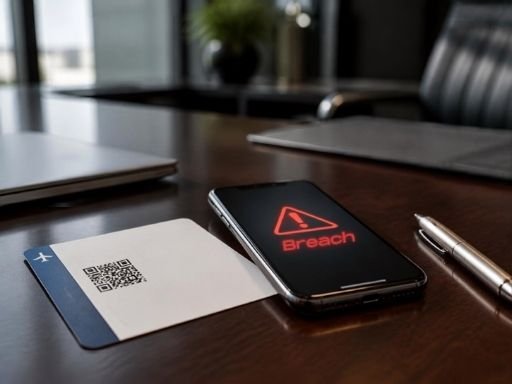
Cyberattackers have stolen personal data belonging to 8.7 million customers of three major UK airports. The breach affects Manchester, Stansted and East Midlands airports, exposing emails, phone numbers, vehicle registrations and postcodes. The compromised information came from services including parking, lounges, Fast Track bookings and airport Wi-Fi. Manchester Airport Group temporarily disabled its “Manage My […]
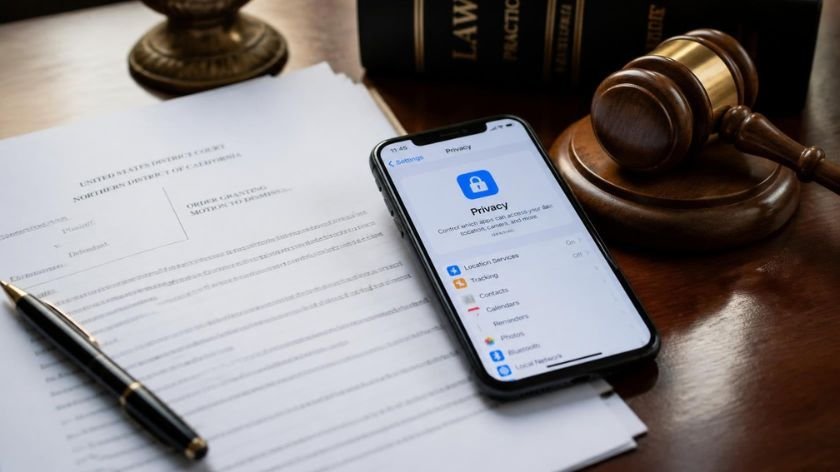
Apple is challenging the UK government’s renewed demand for access to encrypted iCloud backups of British users through the Investigatory Powers Tribunal. The tech giant reiterates it will never build a backdoor into its products, arguing it would weaken security for everyone. The UK says lawful access is essential for tackling terrorism, serious crime, and […]
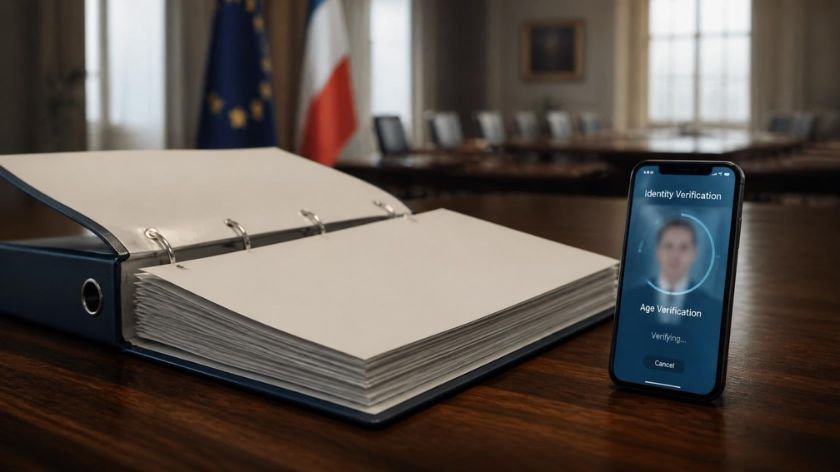
The European Commission’s DG CONNECT disclosed nine documents in response to an access-to-documents request, but all were already publicly available resources. No Data Protection Impact Assessment (DPIA), internal privacy-by-design documentation, threat models, or controller-role assessments were released. DG CONNECT stated it does not hold a DPIA, arguing that responsibility lies with the future publisher of […]

A new US Supreme Court ruling questions the independence of the FTC, undermining a key legal pillar of the EU-US Data Privacy Framework (DPF) according to privacy group noyb. Max Schrems argues that the European Commission relied on the FTC’s independence hundreds of times, meaning the legal basis for unrestricted EU-US personal data transfers has […]