



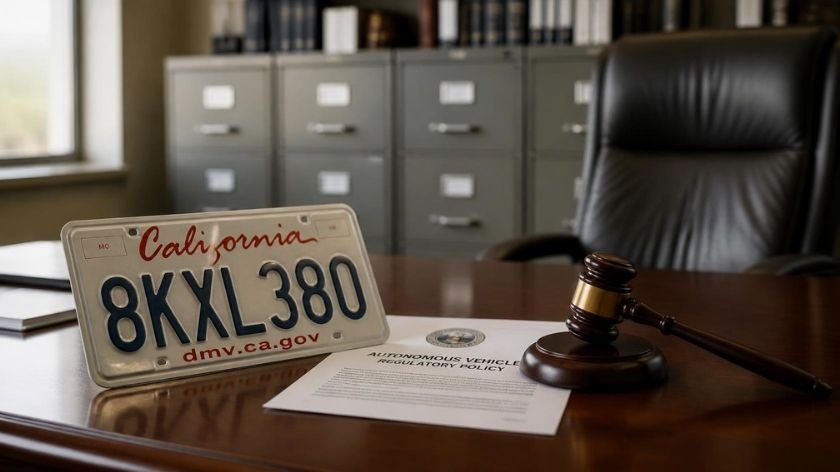
Republican leaders are turning against Flock Safety, the $8bn AI-surveillance company whose licence-plate cameras have spread across the US. Governors Ron DeSantis and Greg Abbott have restricted Flock cameras or their funding, citing privacy risks, government overreach and documented misuse by law enforcement. The cameras can create a searchable record of vehicle movements, while newer […]

Flock Safety allows police to continuously search camera footage using AI for individuals matching a written description, such as clothing, color, or objects. WIRED reconstructed the interface and found that officers can geofence areas and receive automatic alerts as soon as the AI detects a potential match. Although Flock is introducing new controls, such as […]

Around 241,000 Uber drivers across Europe and the UK are represented in a landmark collective action filed in Amsterdam over AI-driven pay and job allocation. Drivers allege Uber’s opaque algorithm profiles their behaviour to determine the lowest fare an individual driver may accept, potentially offering different pay for the same trip. The lawsuit claims this […]

DIDAS warns that age verification alone cannot solve harmful content, addictive design, profiling or commercial exploitation of children online. Where verification is necessary, it should reveal only what is required, such as a simple “over/under age threshold”, without exposing identity, birth date or biometrics. DIDAS proposes six principles: privacy by design/default, unlinkability, data minimisation, open-source […]
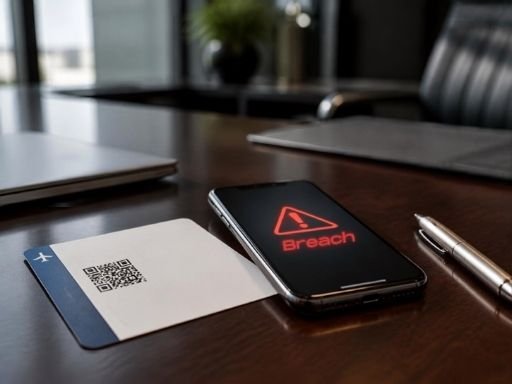
Cyberattackers have stolen personal data belonging to 8.7 million customers of three major UK airports. The breach affects Manchester, Stansted and East Midlands airports, exposing emails, phone numbers, vehicle registrations and postcodes. The compromised information came from services including parking, lounges, Fast Track bookings and airport Wi-Fi. Manchester Airport Group temporarily disabled its “Manage My […]
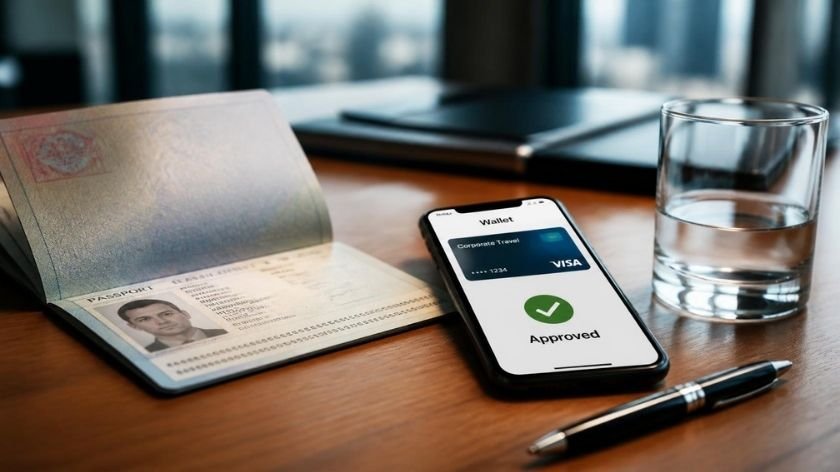
Phocuswright sees that the EU Digital Identity Wallet is gaining ground, but adoption differs strongly between France, Germany, and the UK. Awareness is growing, France leads with 25%, while Germany shows the largest increase from 13% to 21%. Trust is decisive: 54% of Germans trust the Personalausweis, while trust in digital identity systems is clearly […]

Gartner sees Verifiable Credentials (VCs) and decentralized identity as transformational technologies poised to reshape digital identity across industries. VCs enable standardized, secure and compliant data exchange between multiple parties at lower cost and higher speed. Instead of repeatedly proving identity, users can receive verified credentials once and reuse them cryptographically across services and transactions. Decentralized […]

Hackers breached the MyDr medical platform, potentially compromising sensitive data belonging to nearly 19 million Polish patients. The platform is used by thousands of clinics and medical practices, dramatically increasing the scale and impact of the breach. The stolen information reportedly includes highly sensitive medical data, with politicians and other public figures among those affected. […]
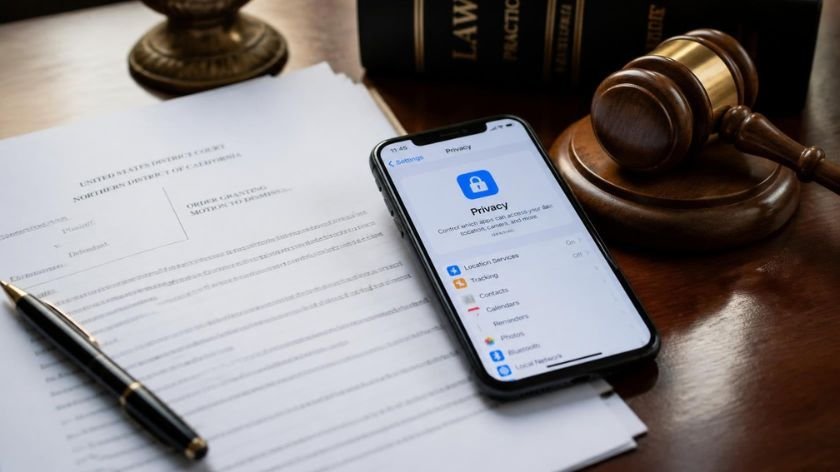
Apple is challenging the UK government’s renewed demand for access to encrypted iCloud backups of British users through the Investigatory Powers Tribunal. The tech giant reiterates it will never build a backdoor into its products, arguing it would weaken security for everyone. The UK says lawful access is essential for tackling terrorism, serious crime, and […]
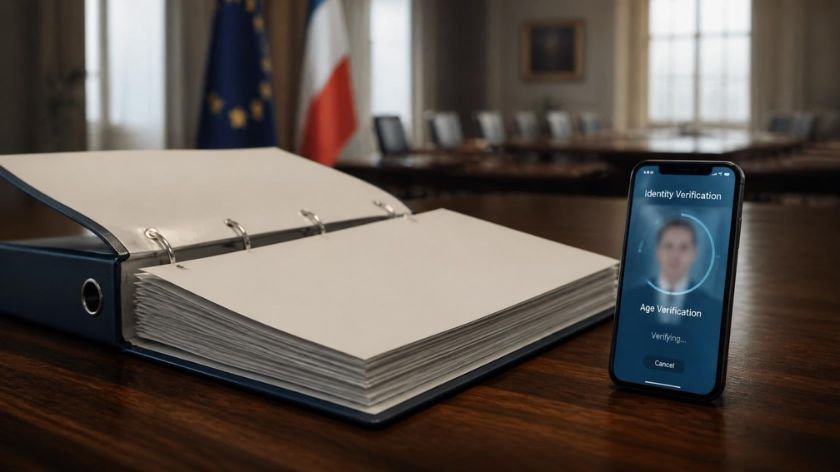
The European Commission’s DG CONNECT disclosed nine documents in response to an access-to-documents request, but all were already publicly available resources. No Data Protection Impact Assessment (DPIA), internal privacy-by-design documentation, threat models, or controller-role assessments were released. DG CONNECT stated it does not hold a DPIA, arguing that responsibility lies with the future publisher of […]